Understanding the Environmental Impact of Your HVAC Choices Mar 11, 2026
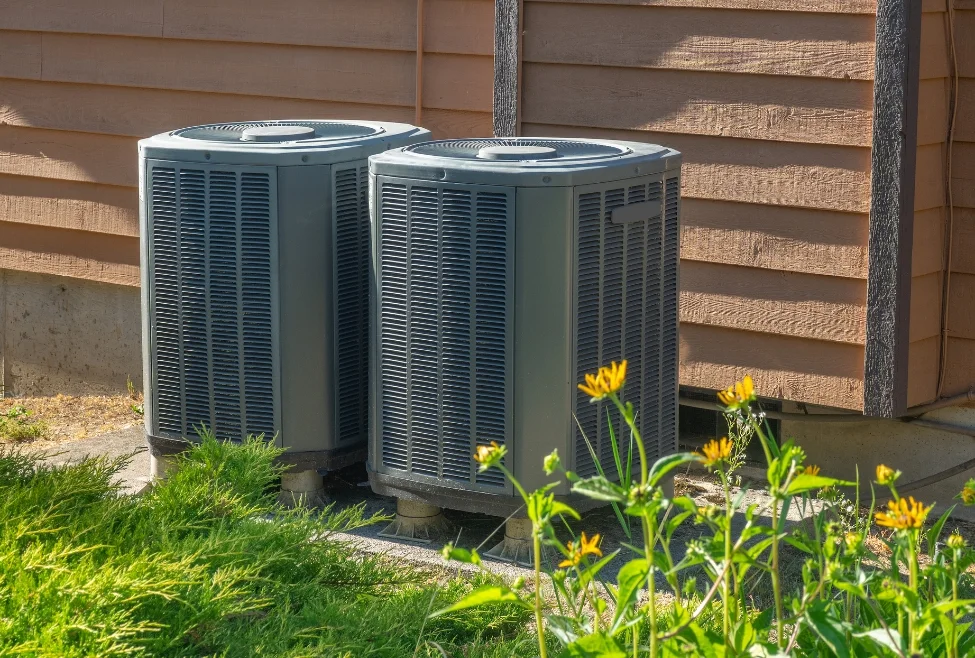
The environmental footprint of an HVAC system is determined by several factors, including energy consumption, the type of refrigerant used, and the overall efficiency of the system. Let’s begin by discussing energy consumption, one of the most significant contributors to environmental impact. Traditional HVAC systems consume substantial amounts of electricity, which can be generated from fossil fuels. The more energy your system uses, the higher the greenhouse gas emissions. Opting for an energy-efficient HVAC system can significantly reduce this impact.
Efficiency ratings such as the Seasonal Energy Efficiency Ratio (SEER) and the Heating Seasonal Performance Factor (HSPF) provide important insights into how much energy an HVAC unit uses. Higher ratings indicate greater efficiency. Choosing units with high SEER and HSPF ratings is not only eco-friendly but also saves money on utility bills. Regular maintenance and proper sizing of HVAC equipment further enhance efficiency, ensuring optimal use of energy.
Refrigerants, the chemicals used in HVAC systems to cool air, also play a crucial role in environmental impact. Older systems often use chlorofluorocarbons (CFCs) and hydrochlorofluorocarbons (HCFCs), both of which have high ozone-depleting potential. Modern HVAC systems utilize hydrofluorocarbons (HFCs), which are much less harmful to the ozone layer. As a consumer, switching to systems that use environmentally friendlier refrigerants can have a significant positive impact on the environment.
The installation process of an HVAC system is another critical factor. Proper installation ensures that the system operates efficiently and minimizes energy waste. Poor installation can lead to leaks and increased energy use, so it is important to hire certified professionals for the job. Companies like Integrity Heat & Air ensure that their specialists install equipment adhering to the industry's best practices, promoting environmental sustainability.
In addition to choosing efficient systems and proper installation, it’s beneficial to integrate smart technology into your HVAC management. Smart thermostats, for instance, learn your preferences and adjust temperatures accordingly, reducing unnecessary energy consumption. These devices can be controlled remotely, allowing for better energy management.
Finally, regular maintenance cannot be overstated. Duct cleaning, checking for leaks, changing filters, and routine inspections are simple yet effective steps to ensure your system runs efficiently. Integrity Heat & Air offers comprehensive service plans tailored to keep your system in peak condition while minimizing environmental impact.
In conclusion, the choices you make about your HVAC system significantly affect the environment. By opting for energy-efficient models, using eco-friendly refrigerants, ensuring proper installation, and maintaining your system regularly, you can contribute to a healthier planet. Not only do these actions help reduce your carbon footprint, but they also lead to cost savings and improved system performance. As you consider upgrades or replacements to your current HVAC setup, remember that environmentally conscious decisions are as important as financial considerations. At Integrity Heat & Air, we are committed to helping you make choices that reflect both values.
/filters:no_upscale()/filters:format(webp)/media/562eb873-166b-460b-a374-5eb71d8d2cd5.jpg)
/filters:no_upscale()/filters:format(webp)/media/c9f23a8f-8851-4ca5-a0da-d210a8ce991b.jpeg)